

Peer-Reviewed Publications
Published studies in scientific journals featuring research conducted with WAVi, supporting the use of EEG and ERP measurements in clinical and research settings.
In-Clinic Measurements of Vascular Risk and Brain Activity
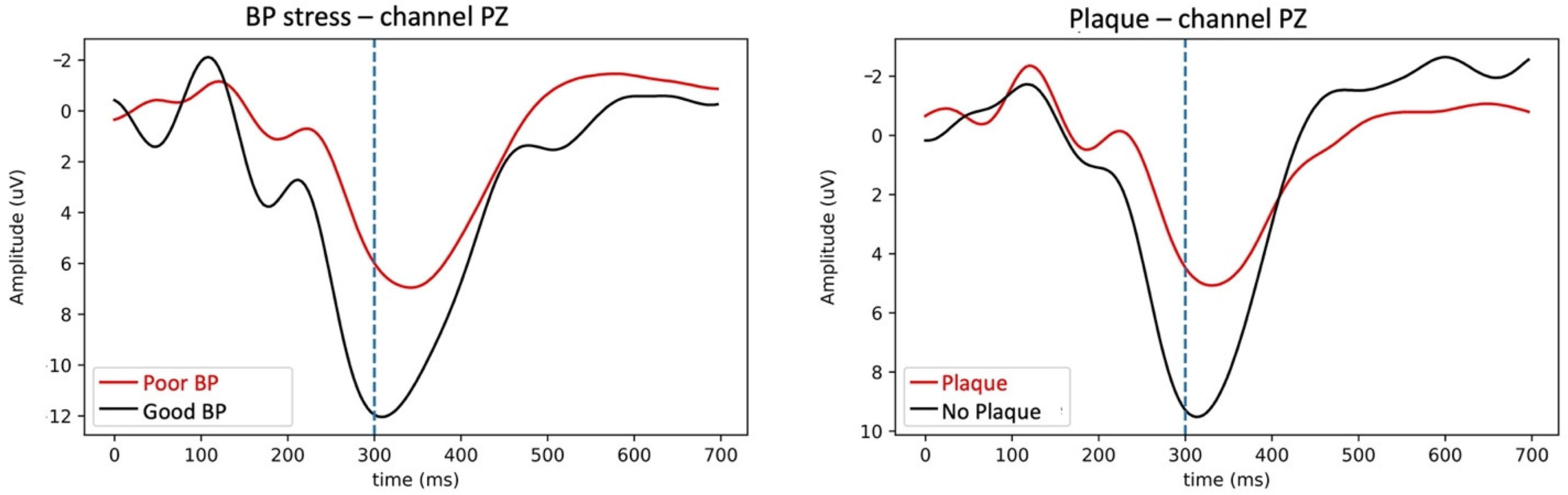
WAVi’s Role
This investigator-initiated study, published in The Journal of Ageing and Longevity (2022), examined real-world clinical data collected from adult participants as part of an exploratory research effort. By analyzing routinely acquired EEG data, the study contributes to a growing body of evidence supporting the use of advanced neurophysiological tools in clinical and research settings.
WAVi supported this research by providing EEG data acquisition hardware for use in the study. The study design, data analysis, and interpretation were conducted independently by the investigators.
Collaborating Institutions
This research brought together a multidisciplinary group of respected institutions, including:
- University of Colorado School of Medicine (Denver, CO)
- Boone Heart Institute (Denver, CO)
- Eastern Virginia Medical School (Norfolk, VA)
- Saint Joseph Hospital, SCL Health (Denver, CO)
- Georgetown University, Department of Linguistics (Washington, DC)
- North Carolina State University, Department of Linguistics (Raleigh, NC)
- Baylor College of Medicine (Houston, TX)
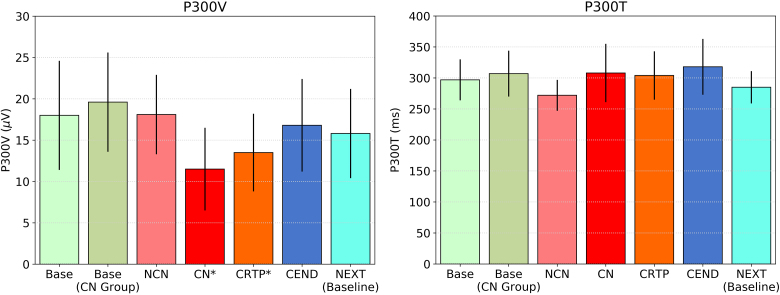
In-Clinic Event Related Potentials after Sports Concussion: A 4-Year Study
WAVi’s Role
WAVi provided EEG data acquisition hardware for research use. Study design, data analysis, and interpretation were conducted independently by the investigators.
This blinded, multi-year study followed 364 student-athletes (ages 17–23) participating in contact sports, tracking changes before and after concussion across multiple seasons.
Researchers evaluated event-related potentials (P300), along with physical reaction time and Trail Making tests, alongside standard clinical assessments. Changes in these measures following concussion were compared with clinical outcomes across different stages of recovery, offering additional insight into neurophysiological responses over time.
Collaborating Institutions
This work was conducted in collaboration with leading academic and clinical organizations, including:
- University of Colorado School of Medicine (Aurora, CO)
- Children’s Hospital Colorado (Aurora, CO)
- University of Colorado, Department of Athletics (Boulder, CO)
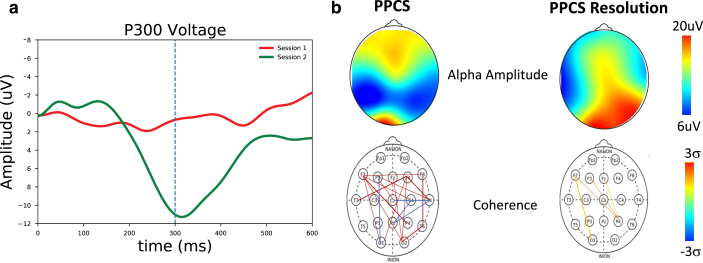
Electrophysiological Trajectories of Concussion Recovery: From Acute to Prolonged Stages in Late Teenagers
WAVi’s Role
WAVi provided EEG data acquisition hardware for research use. Study design, data analysis, and interpretation were conducted independently by the investigators.
Research has shown measurable differences in EEG-derived signals between concussed and non-concussed individuals. However, fewer studies have examined how these signals change throughout recovery, from the initial injury through symptom resolution and into longer recovery phases.
This study focused on tracking these changes over time, comparing recovery patterns between simple and complex concussion. The findings add to ongoing research exploring how neurophysiological measures relate to clinical recovery and symptom progression.
Collaborating Institutions
-
SPARCC Sports Medicine, Rehabilitation, and Concussion Center (Tucson, AZ, USA)
-
Department of Pediatrics, Tucson Medical Center (Tucson, AZ, USA)
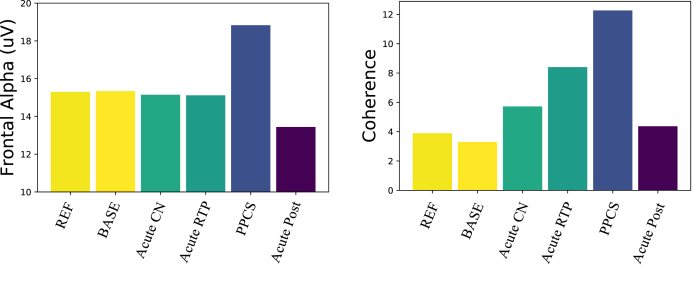
P300 Evoked Response Potentials Patterns in Different Complex Concussion Phenotypes
WAVi’s Role
WAVi provided EEG data acquisition hardware for research use. Study design, data analysis, and interpretation were conducted independently by the investigators.
This study evaluated whether P300 event-related potential (ERP) voltage patterns could provide insight into differences observed in patients with complex concussion or persistent post-concussive symptoms (PPCS).
By examining these EEG-derived signals, researchers explored how neurophysiological patterns may vary across individuals experiencing prolonged or more complex recovery trajectories.
Collaborating Institutions
- SPARCC Sports Medicine, Rehabilitation, and Concussion Center (Tucson, AZ)
- Tucson Medical Center, Department of Pediatrics (Tucson, AZ)