White Papers
P300 Parameters Over the Lifespan: Validating Target Ranges from an In-Clinic Platform
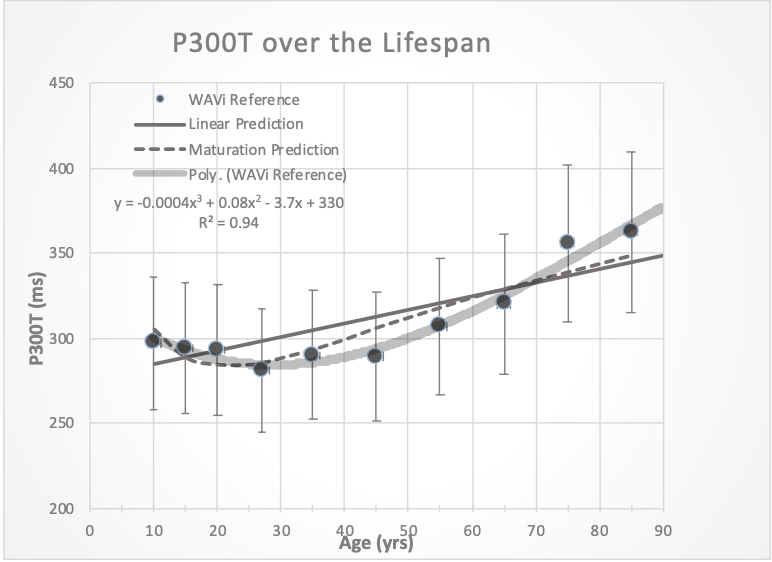
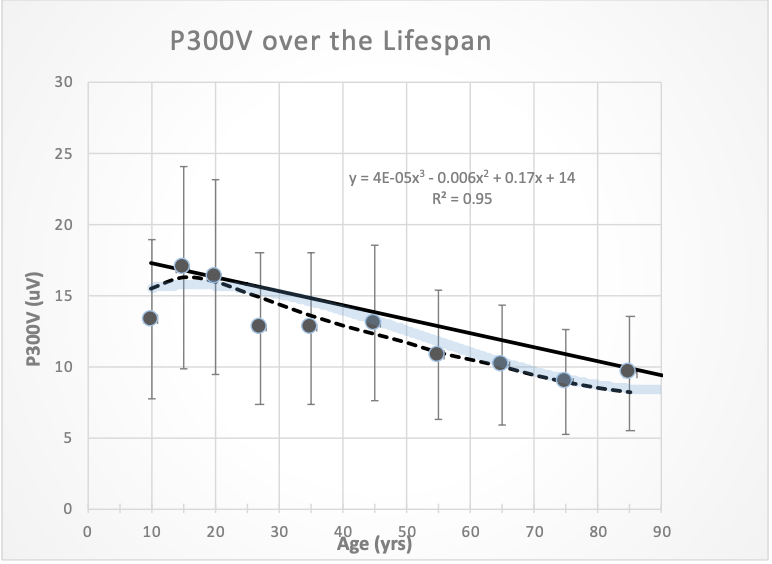
This study analyzes auditory P300 event-related potentials collected during routine EEG exams across a large population (ages 13–90) to evaluate age-related patterns and measurement consistency. Results show that real-world clinical data closely align with decades of published research, with expected trends across the lifespan and peak values near early adulthood. While variability exists between individuals, measurements remain stable within the same person over time, supporting the use of P300 metrics for longitudinal tracking and age-stratified reference ranges.
Available via license: CC BY-ND 4.0
Measurements of EEG Alpha Peak Frequencies Over the Lifespan: Validating Target Ranges on an In-Clinic Platform
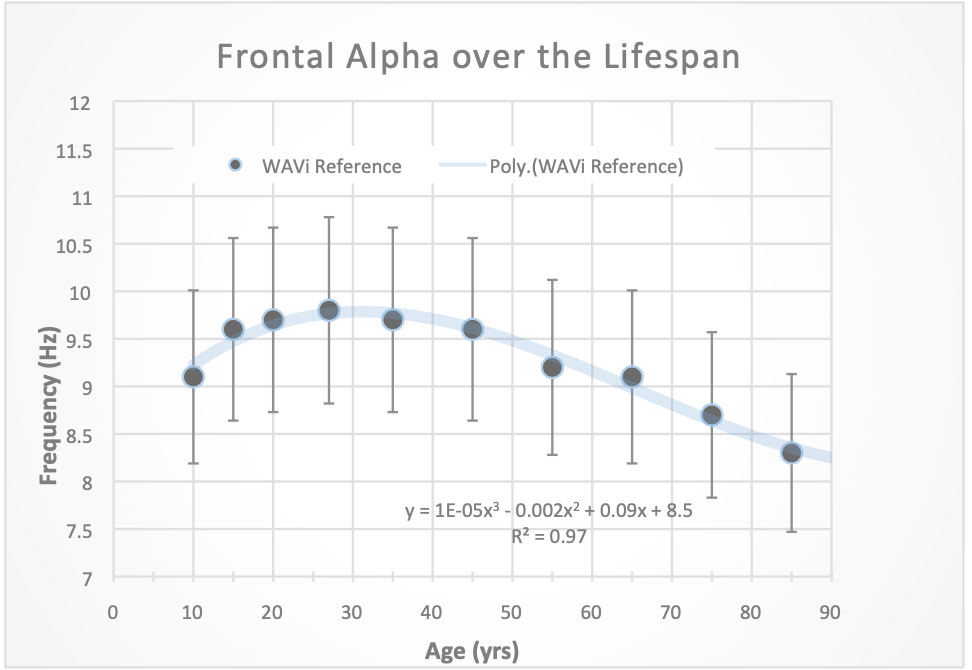
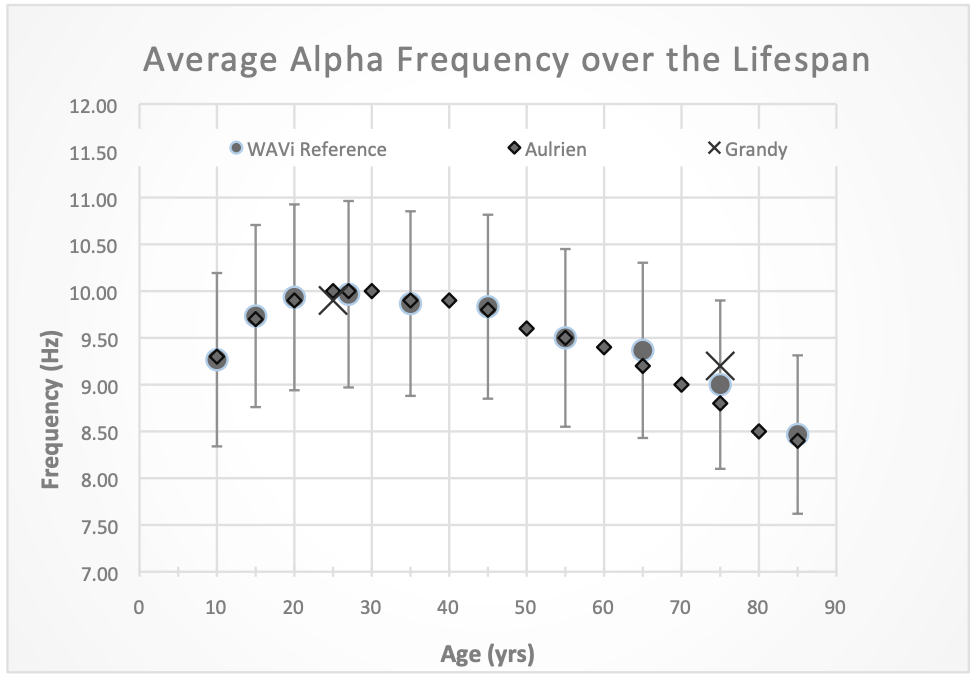
This study evaluates peak individual alpha frequency (IAF) derived from EEG recordings in a large clinical population (ages 13–90). Findings show that IAF measurements collected during combined testing protocols are consistent with traditional methods, supporting more efficient data acquisition. Age-related trends observed in clinical settings align with established research, and results demonstrate that IAF remains stable within individuals over time. These findings support the use of IAF as a reliable metric for longitudinal tracking and comparison to age-based reference ranges.
Available via license: CC BY-ND 4.0
Variance in Measures of the Theta/Beta Ratio: Validating Target Ranges on an in-clinic Platform
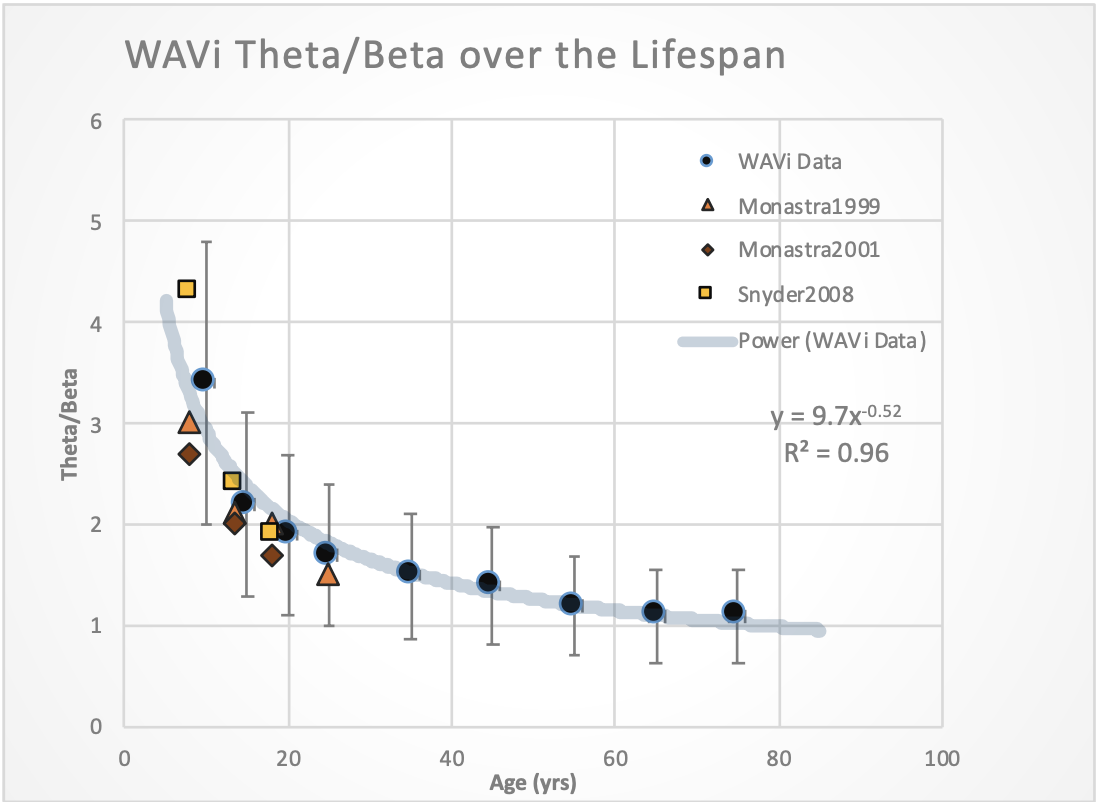
This study examines the variability of theta/beta ratio (TBR) measurements across different EEG signal processing methods and their relevance in distinguishing ADHD populations. While significant differences were observed between processing approaches, none reliably differentiated individuals with ADHD from controls or showed consistent associations with symptoms. Findings suggest that inconsistencies in prior research are unlikely driven by processing methods alone, highlighting the need to consider external factors such as study design and participant characteristics when interpreting TBR data.
Available via license: CC BY-ND 4.0
Tablet-Based Trail Making Tests Over the Lifespan: Validating Target Ranges on an In-Clinic Platform
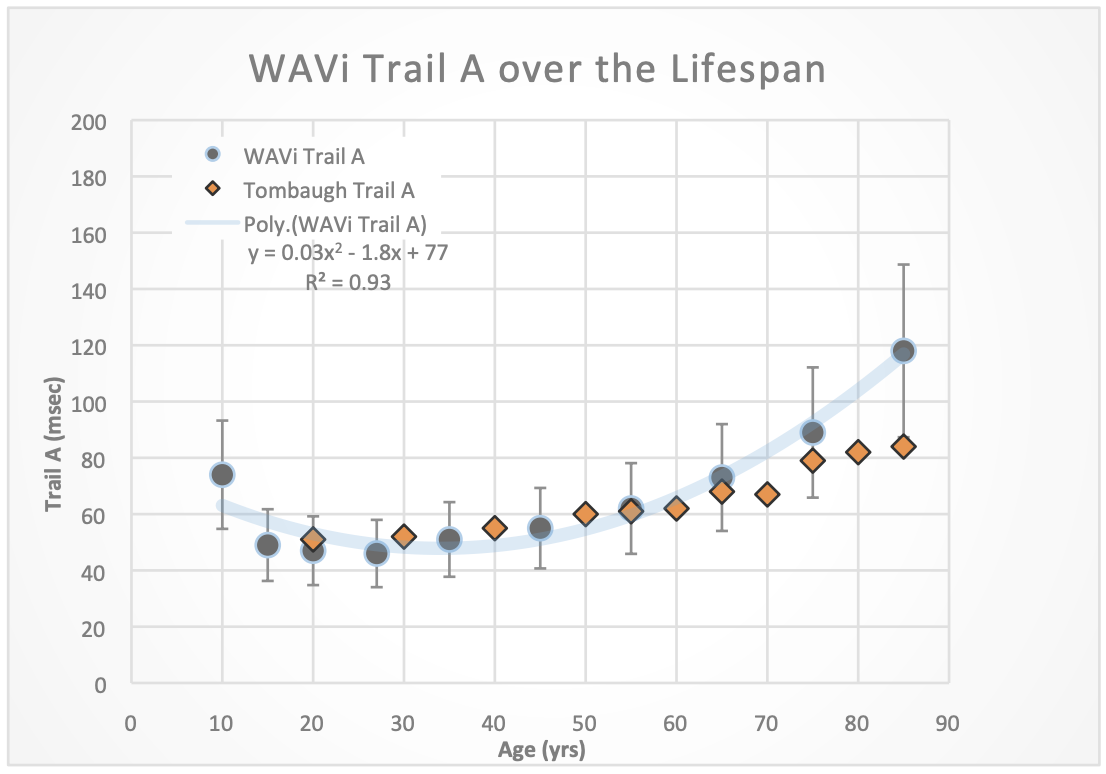
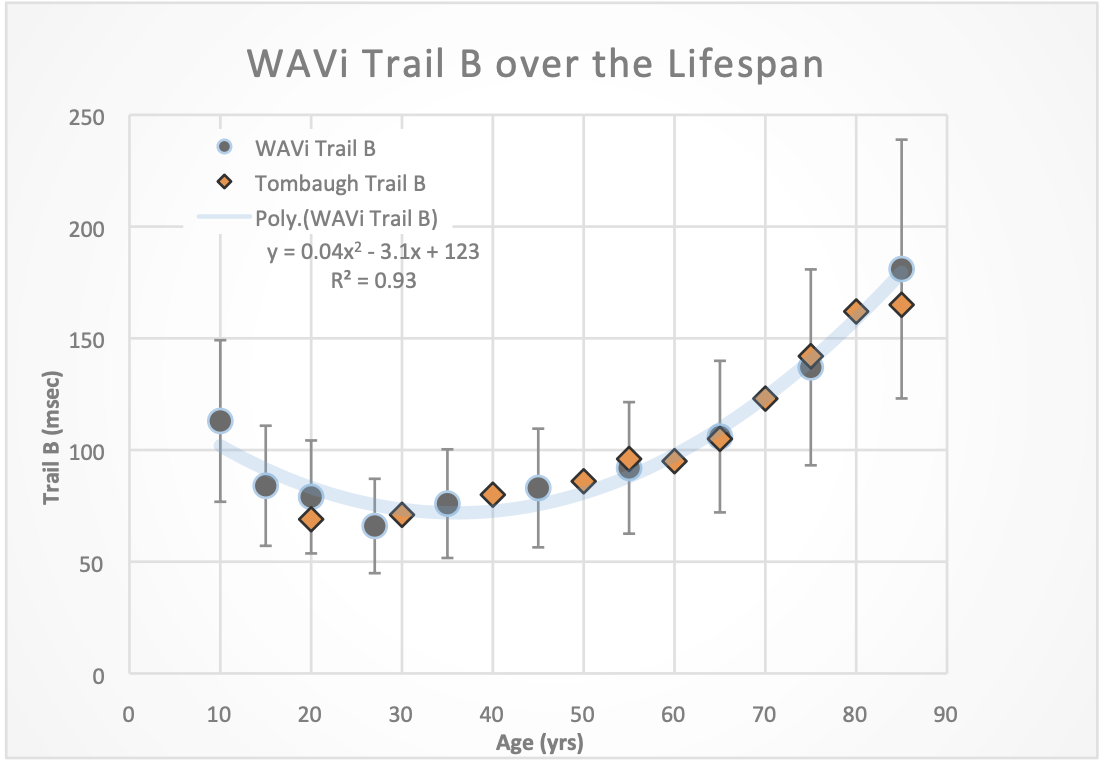
This study evaluates tablet-based Trail Making Tests (A and B) and physical reaction time (PRT) collected alongside EEG and auditory P300 measures in a large clinical population (ages 13–90). Results show that in-clinic, touchscreen TMT performance follows age-related trends consistent with traditional paper-based research, particularly for TMTB. Physical reaction time demonstrated less variation across age groups. These findings support the use of age-stratified reference ranges for TMT and PRT to enable standardized comparison across individuals and over time.
Available via license: CC BY-ND 4.0