

Objective EEG and ERP technology for clinical use
WAVi records electrical brain activity using EEG and captures time-locked responses (ERP) through scalp sensors, with integrated software for standardized data collection and display.
WAVi’s EEG+ Platform
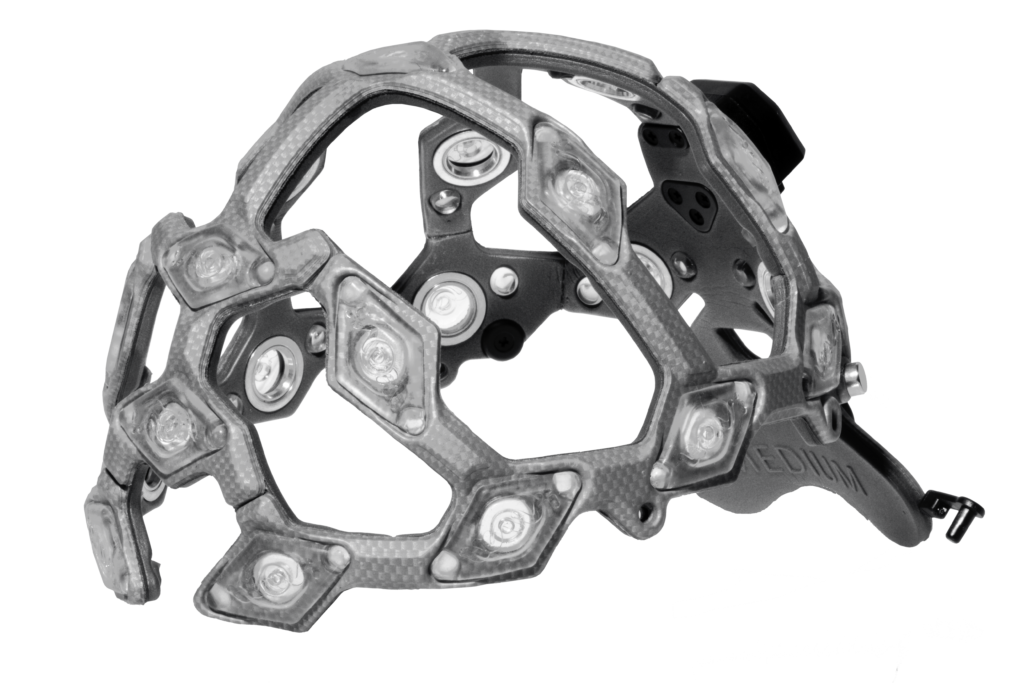
WAVi EEG and ERP technology records electrical brain activity using sensors placed on the scalp.
WAVi integrates EEG with evoked responses, standardized assessments, and auxiliary protocols in a single system.

EVENT-RELATED POTENTIALS
Measures time-locked electrical responses to sensory input, helping clinicians observe how the brain responds to specific stimuli.
EYES-CLOSED EEG
Records electrical activity with eyes closed, allowing comparison of brainwave patterns under different resting conditions.

EYES-OPEN EEG recording
Captures electrical activity while the patient remains alert with eyes open, providing insight into brainwave patterns in an active resting state.

physical Response testing
WAVi includes protocols meant to test physical response time such as Flanker and Trail Making.
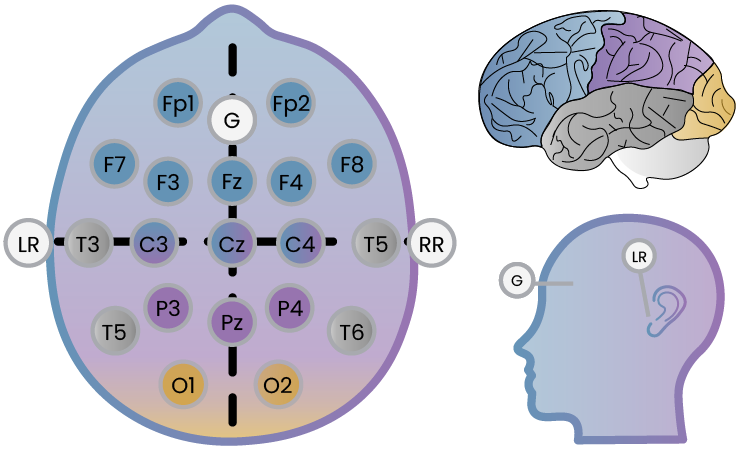
Standardized Electrode Placement: 10–20 System
WAVi utilizes a headset based on the internationally recognized 10–20 system for electrode placement.
The 10–20 system is a standardized method used in EEG and ERP technology to ensure consistent and reproducible positioning of electrodes across patients and testing sessions. Electrode locations are determined using proportional distances between anatomical landmarks on the head.
The P300 and the Oddball Paradigm
One of the key ERP components measured by WAVi EEG and ERP technology is the P300.
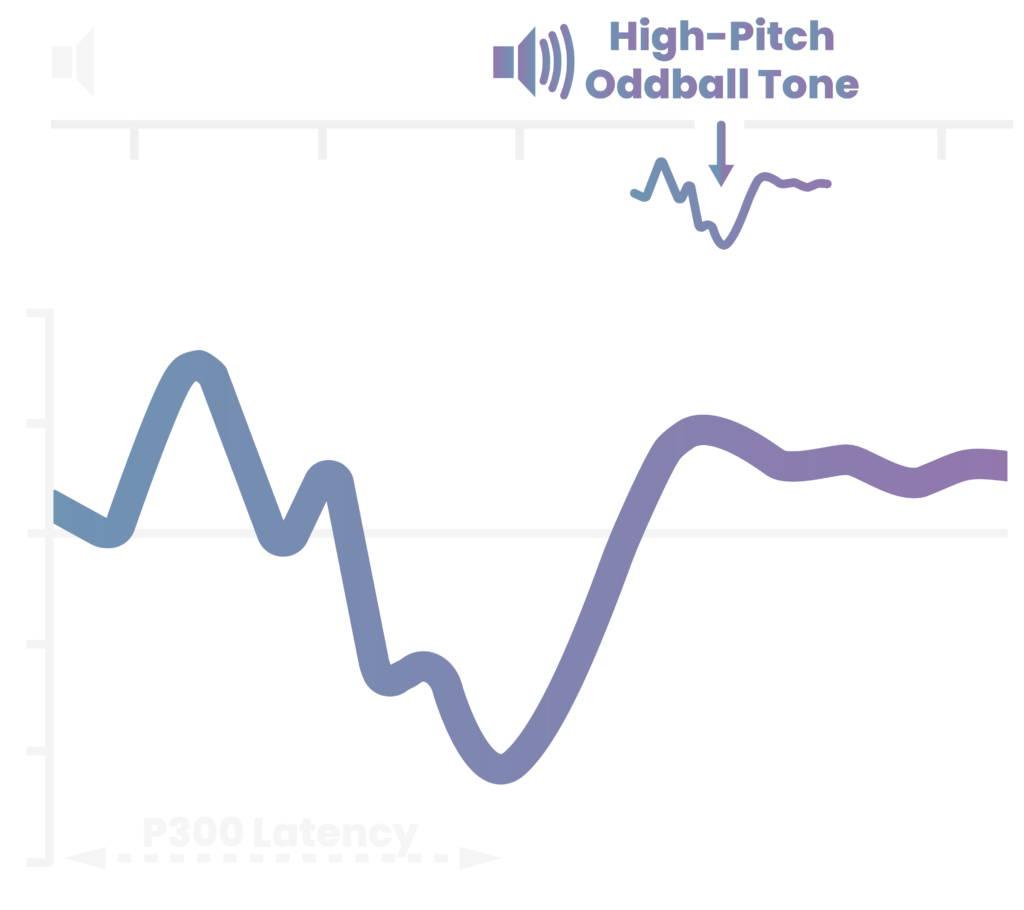
The P300 is a well-established brain response that occurs approximately 300 milliseconds after a person detects a meaningful or “target” stimulus.
WAVi utilizes the auditory oddball paradigm, a widely used method in neuroscience:
-
Most tones are repetitive (low-pitch common tones)
-
Occasionally, a different tone (high-pitch oddball tone) is presented
-
The brain’s response to this oddball tone generates the P300 signal
Standardized Clinical Assessments
WAVi complements its EEG and ERP technology with a battery of commonly used clinical questionnaires and assessments, enabling a more comprehensive evaluation workflow:
 SCAT5
SCAT5
(Sport Concussion Assessment Tool)
MMSE
(Mini-Mental State Examination)
Modified Hoehn and Yahr Scale
(Symptom progression of Parkinson disease)
HAM-A
(Hamilton Anxiety Rating Scale)
Child ADHD Symptom Checklist
(DSM-5)
MoCA
(Montreal Cognitive Assessment)
GDS
(Geriatric Depression Scale)
PHQ-9
(Patient Health Questionnaire – Depression)
ASRS v1.1
(Adult ADHD Self-Report Scale)
BSDS
(Bipolar Spectrum Diagnostic Scale)
Add longitudinal EEG+ data collection to your practice
See how WAVi EEG and ERP assessments can be integrated into your existing workflow with guided setup, training, and ongoing support.