
EEG and ERP in Clinical Practice: What Providers Should Know
April 24, 2026
EEG and ERP in Clinical Practice
EEG and ERP data are widely used in clinical practice to record and evaluate the brain’s electrical activity. These non-invasive methods allow healthcare providers to acquire objective data that can support clinical assessments across a range of neurological conditions.
Electroencephalography (EEG) captures ongoing electrical activity, while event-related potentials (ERPs) measure time-locked responses to specific stimuli. Together, they provide complementary information that clinicians can use alongside other diagnostic tools.
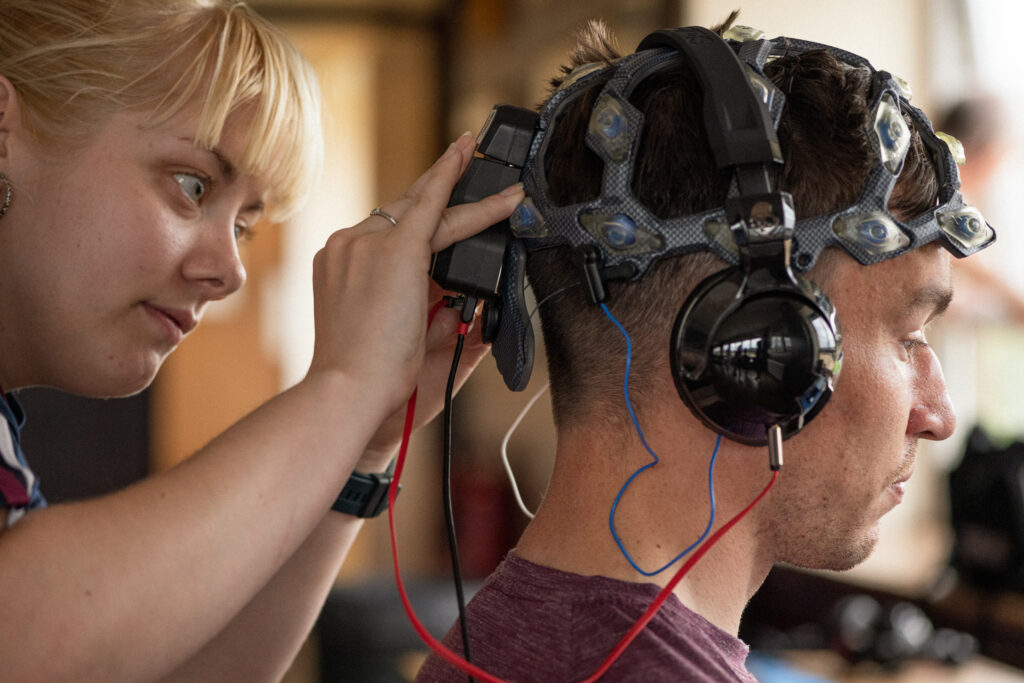
What Is EEG and How Is It Used in Clinical Practice?
EEG records electrical activity generated by neurons in the brain using electrodes placed on the scalp. The resulting signals are displayed as waveforms that reflect patterns of neural activity over time.
In clinical settings, EEG data is commonly used to support the evaluation of:
- Seizure disorders
- Sleep disorders
- Encephalopathies
- Other abnormalities in brain electrical activity
EEG systems are valued for being non-invasive, relatively cost-effective, and capable of real-time data acquisition.
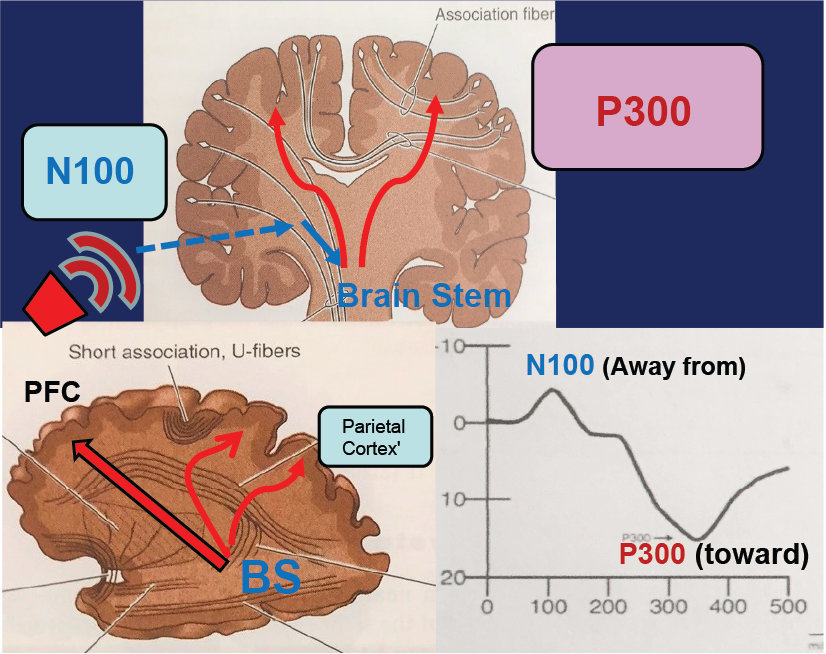
How EEG and ERP Data Support Clinical Evaluation
EEG systems with integrated ERP capabilities allow providers to:
- Acquire and store high-quality brain electrical activity data
- Display waveform patterns for interpretation
- Compare results across multiple sessions
These systems are intended to aid in diagnosis when used alongside other clinical assessments and professional judgment.
Key Considerations When Selecting an EEG System
Healthcare providers evaluating EEG systems for clinical use often consider several factors:
Ease of Use
Efficient workflows and intuitive interfaces can improve consistency in data collection.
Data Quality
Accurate signal acquisition is essential for reliable interpretation.
ERP Integration
Systems that include ERP testing allow providers to expand assessment protocols within a single platform.
Data Storage and Access
Secure storage and accessibility support longitudinal tracking and documentation.
EEG and ERP Data Acquisition with WAVi
The WAVi Scan EEG System is designed for the acquisition, display, and storage of electrical activity of a patient’s brain, including EEG and ERP data obtained through electrodes placed on the head.
By combining EEG and ERP capabilities in a single system, WAVi supports efficient data collection within clinical workflows.
FAQ: EEG and ERP in Clinical Practice
What is the difference between EEG and ERP?
EEG records ongoing brain electrical activity, while ERP measures responses that are time-locked to specific stimuli.
How are EEG and ERP used in clinical practice?
They are used to acquire and evaluate brain electrical activity to support clinical assessments.
What should providers look for in an EEG system?
Key factors include data quality, ease of use, ERP capabilities, and secure data storage.
Find more details about the WAVi Scan EEG System and the science behind it here.