
EEG vs ERP: Key Differences for Healthcare Providers
April 27, 2026
Introduction
For healthcare providers working with neurological data, understanding the distinction between EEG and ERP is essential. While these terms are often used interchangeably, they represent different approaches to analyzing brain electrical activity, each offering unique clinical value.
This guide breaks down EEG vs ERP in clear, practical terms—covering definitions, differences, clinical use cases, and how they work together in patient care.
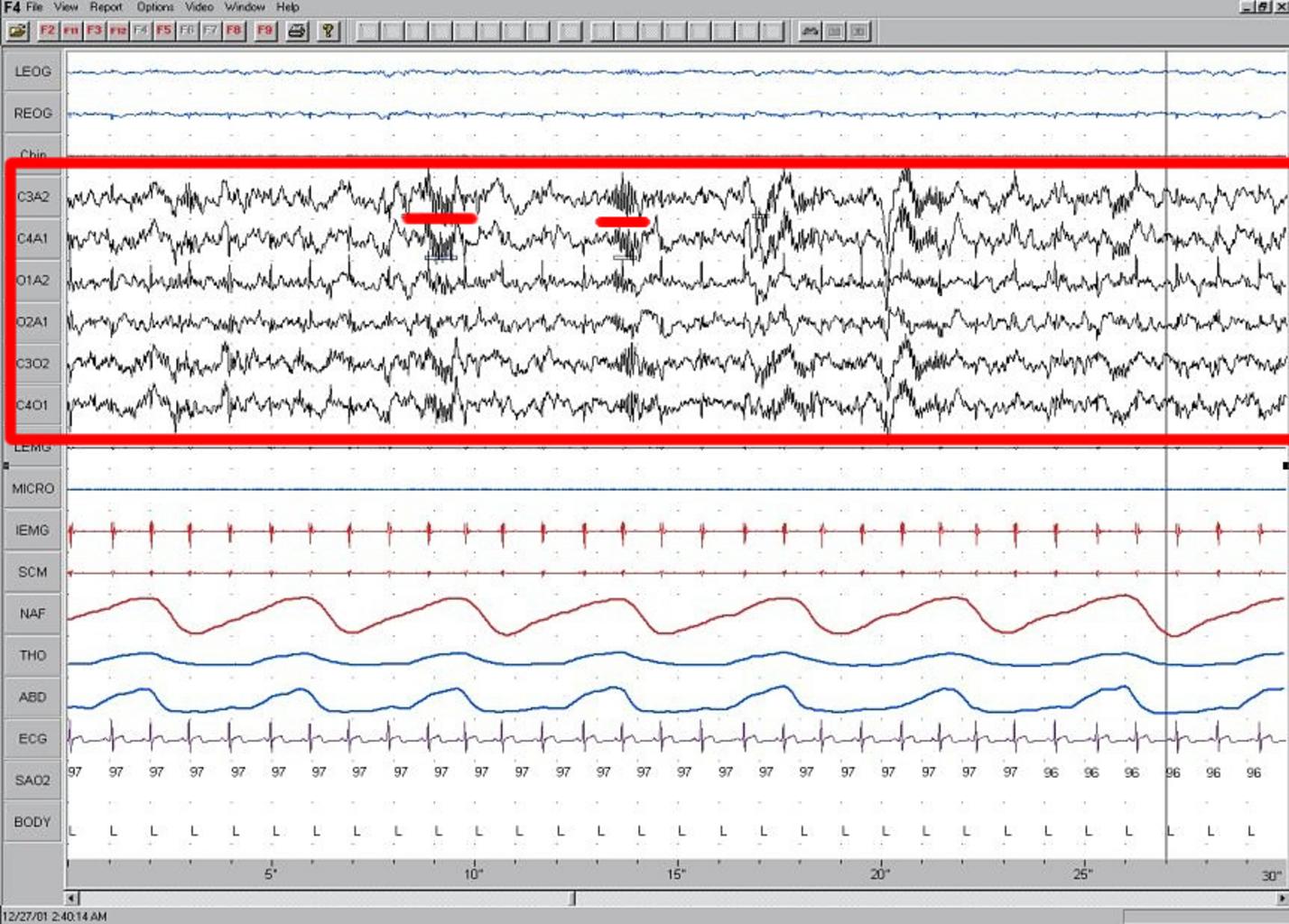
What is EEG?
Electroencephalography (EEG) is a non-invasive method used to record the brain’s electrical activity over time. Electrodes placed on the scalp capture continuous signals generated by neuronal firing patterns.
EEG provides a broad view of brain activity, making it useful for identifying general patterns, abnormalities, and changes across different states.
Key characteristics:
- Continuous recording of electrical activity
- High temporal resolution (millisecond-level)
- Reflects spontaneous brain activity
- Commonly used in clinical and research settings

What is ERP?
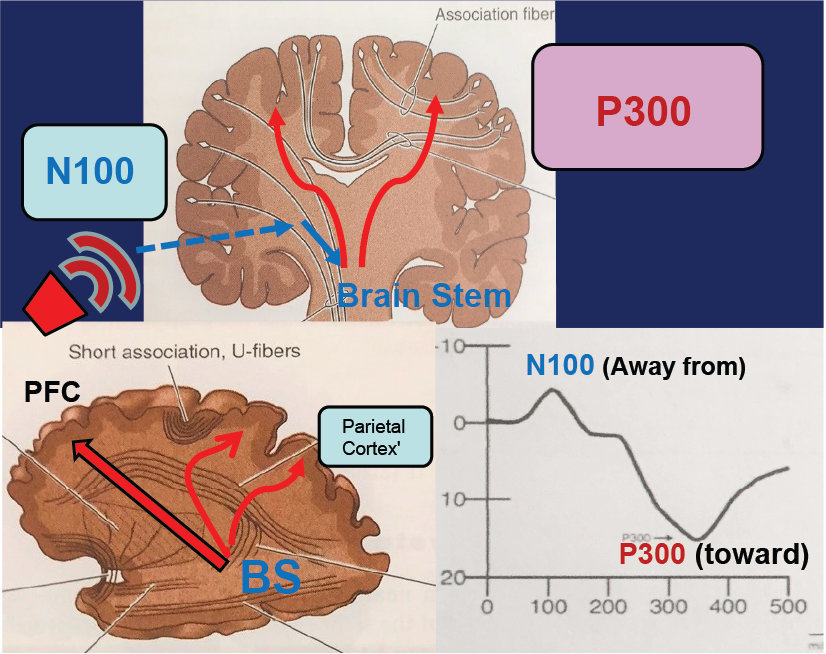
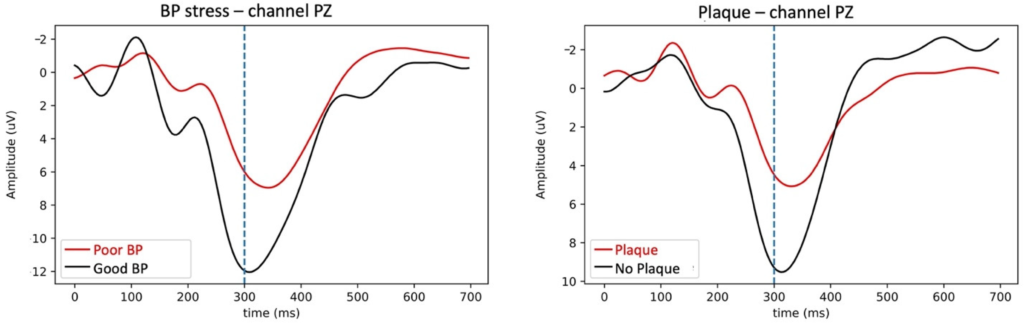
Event-Related Potentials (ERP) are derived from EEG data but focus specifically on the brain’s response to a defined stimulus or event.
By averaging EEG signals across multiple repetitions of the same stimulus, ERP isolates time-locked responses, allowing providers to examine how the brain processes specific inputs.
Key characteristics:
- Extracted from EEG recordings
- Time-locked to sensory, cognitive, or motor events
- Requires repeated stimuli and signal averaging
- Highlights specific neural responses to stimuli
| Feature | EEG | ERP |
|---|---|---|
| Data Type | Continuous brain electrical activity | Averaged responses to specific events |
| Focus | General activity patterns | Stimulus-specific responses |
| Signal Source | Direct recording | Derived from EEG |
| Methodology | Ongoing recording | Repeated trials + averaging |
| Clinical Insight | Broad neurological activity | Timing and processing of responses |
| Use Case | Monitoring overall brain activity | Evaluating responses to stimuli |
When is EEG Used?
EEG is typically used when providers need a global view of brain electrical activity.
Common applications include:
- Detecting abnormal electrical patterns
- Monitoring brain activity over time
- Supporting neurological assessments
- Evaluating changes across different conditions or states
Its strength lies in capturing continuous data, making it ideal for identifying patterns that occur spontaneously.
When is ERP Used?
ERP is used when the goal is to understand how the brain responds to specific stimuli.
Common applications include:
- Measuring time-locked neural responses
- Evaluating sensory and cognitive processing
- Assessing how quickly and consistently the brain responds to inputs
ERP provides more targeted insight, particularly when timing and consistency of responses are important.
Why EEG and ERP are Complementary
EEG and ERP are not competing tools—they are complementary approaches built on the same underlying data.
EEG provides the full picture of brain electrical activity, while ERP extracts meaningful patterns tied to specific events. Together, they allow providers to examine both ongoing activity and stimulus-related responses within the same framework.
Using both approaches can enhance clinical insight by combining broad monitoring with targeted analysis.
Conclusion
Understanding EEG vs ERP is less about choosing one over the other and more about knowing when and how to use each.
EEG offers a continuous view of brain activity, while ERP reveals how the brain responds to specific events. For healthcare providers, leveraging both approaches can support more comprehensive neurological assessment and interpretation.