
What Is an EEG Device? A Guide for Healthcare Providers
Learn what an EEG device is, how EEG systems record brain electrical activity, and what providers should consider when selecting an EEG system for clinical use.
What Is an EEG Device?
An EEG device is a medical system used to record the electrical activity of the brain. Electroencephalography (EEG) systems capture signals generated by neurons using electrodes placed on the scalp, allowing clinicians to observe and evaluate patterns of brain electrical activity.
EEG devices are widely used in clinical practice as a non-invasive method for acquiring objective neurological data.
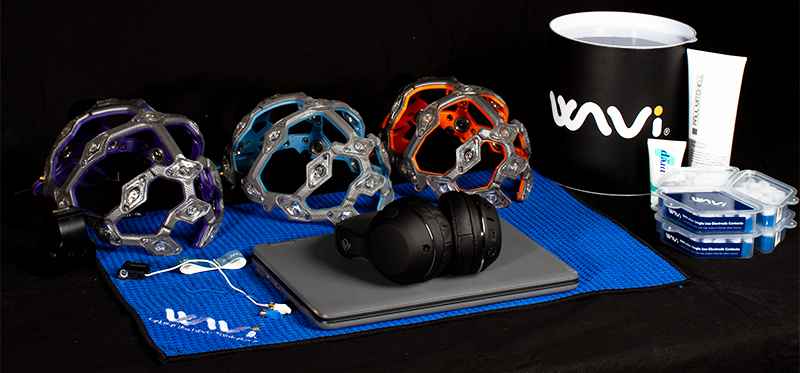
What is EEG?
Electroencephalography (EEG) is a non-invasive method used to record the brain’s electrical activity over time. Electrodes placed on the scalp capture continuous signals generated by neuronal firing patterns.
EEG provides a broad view of brain activity, making it useful for identifying general patterns, abnormalities, and changes across different states.
Key characteristics:
- Continuous recording of electrical activity
- High temporal resolution (millisecond-level)
- Reflects spontaneous brain activity
- Commonly used in clinical and research settings
How EEG Devices Work
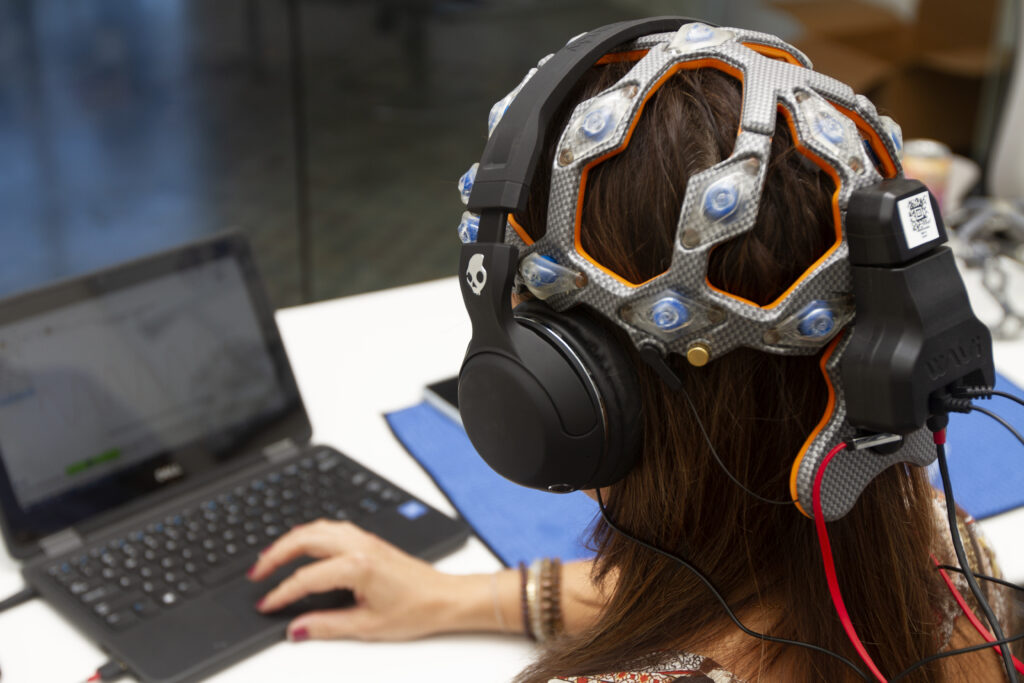
EEG systems measure voltage fluctuations resulting from neuronal activity. During an EEG recording, electrodes are positioned on the patient’s scalp to detect electrical signals, which are then amplified, processed, and displayed as waveforms.
These waveforms represent patterns of brain electrical activity over time and can be reviewed by clinicians as part of a broader clinical evaluation.
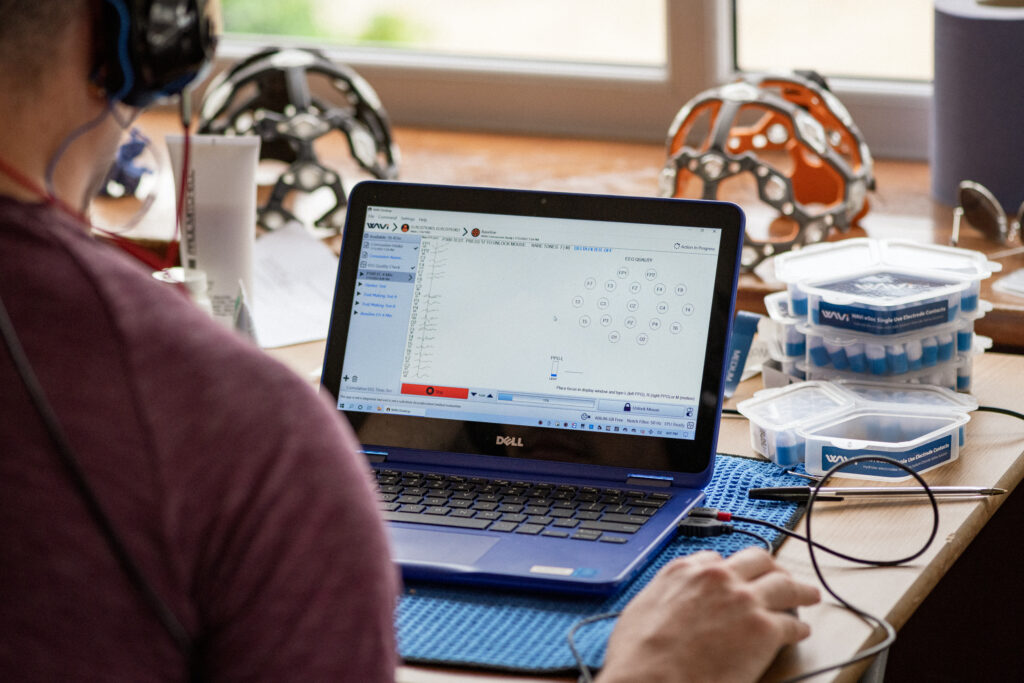
Many modern EEG devices also include software for data storage, visualization, and analysis to support clinical workflows.
Common Clinical Uses of EEG Devices
EEG devices are used in a variety of clinical settings to support the evaluation of neurological conditions, including:
- Seizure disorders
- Sleep disorders
- Encephalopathies
- Other abnormalities in brain electrical activity
EEG data is typically interpreted alongside patient history, physical examination, and other diagnostic tools.
Types of EEG Devices
EEG systems vary depending on clinical needs and practice settings. Common categories include:
Standard Clinical EEG Systems
Designed for comprehensive neurological evaluation, often used in hospitals and specialized clinics.
Portable EEG Devices
Compact systems that allow for flexibility in different clinical environments.
EEG Systems with ERP Capabilities
Some EEG devices incorporate event-related potentials (ERP), enabling clinicians to record time-locked responses to specific stimuli as part of the same system.

Key Features to Consider in an EEG Device
Healthcare providers evaluating EEG systems may consider several factors:

Data Quality
Reliable signal acquisition is essential for accurate interpretation.
Ease of Use
Streamlined workflows can improve efficiency in clinical settings.

Portability
Compact systems may be easier to integrate into different practice environments.

Integrated Capabilities
Systems that include ERP functionality allow for expanded data collection within a single platform.

Data Storage and Accessibility
Secure storage and easy retrieval support documentation and longitudinal tracking.
EEG Devices and Clinical Workflow
Modern EEG devices are designed to integrate into clinical workflows by simplifying setup, data acquisition, and review. Systems that reduce complexity can help increase consistency in data collection and improve usability across different providers and settings.
EEG Data Acquisition with WAVi
The WAVi Scan EEG System is designed for the acquisition, display, and storage of electrical activity of a patient’s brain using electrodes placed on the head. The system also includes ERP capabilities, allowing clinicians to collect multiple types of brain electrical activity data within a single workflow.
WAVi supports efficient data collection in clinical environments while maintaining a focus on usability and consistency.
FAQ: EEG Devices
What does an EEG device measure?
An EEG device records electrical activity generated by neurons in the brain using electrodes placed on the scalp.
Can EEG devices include ERP testing?
Some EEG systems include ERP capabilities, allowing clinicians to record responses to specific stimuli using the same device.
How are EEG and ERP used in clinical practice?
They are used to record and evaluate brain electrical activity to support clinical assessments.