
What Does an EEG System Cost for a Clinic?
If your practice is considering adding EEG or event-related potential (ERP) acquisition, one of the first questions is simple:
How much does an EEG system cost?
There is no single answer. EEG system pricing can vary considerably depending on the equipment, electrode technology, software, training requirements, staffing, and how the system fits into your clinical workflow.
EEG system pricing varies widely based on hardware, electrode technology, software, training, support, and clinical workflow. Clinics should evaluate both the initial purchase price and the ongoing cost per patient when comparing systems.

What Drives the Cost of an EEG System?
The purchase price is only one part of the equation. A clinic should also consider the costs required to operate the system on a routine basis.
Equipment
Acquisition hardware, headset or electrode cap, computer, accessories, cables, and related components.
Consumables
Electrodes, sensors, conductive materials, and other patient-use items required for routine acquisition.
Software
Acquisition software, reporting tools, storage, licensing, updates, and data-management capabilities.
Staff Time
Patient preparation, setup, signal verification, acquisition, troubleshooting, and cleanup.
Training
Initial onboarding, support, continuing education, and training new staff members.
Infrastructure
Testing space, computers, equipment storage, networking, and other clinic requirements.
1. The EEG System Itself
The largest upfront expense is typically the acquisition hardware and software.
A system may include:
- EEG acquisition hardware
- Electrodes or sensors
- Patient headset or electrode cap
- Computer or tablet
- Acquisition software
- Data storage or cloud access
- Reporting tools
- Accessories and cables
Pricing varies depending on channel count, electrode technology, portability, software capabilities, and intended clinical use.
Traditional EEG systems designed for hospitals and neurology departments may also require additional infrastructure and specialized staff.
2. Electrode and Consumable Costs
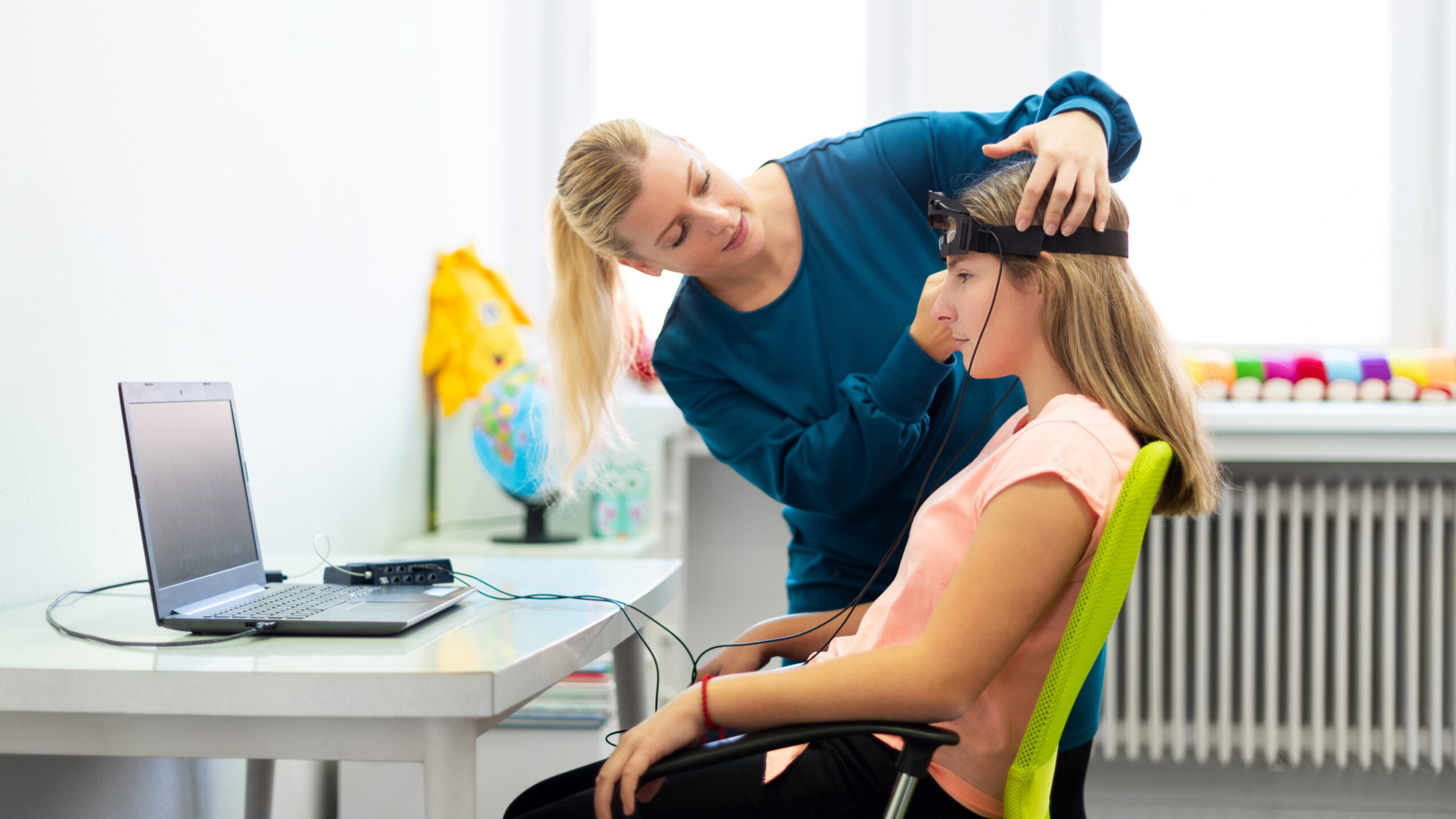
Some EEG systems use reusable electrodes that require preparation, conductive paste, cleaning, and maintenance. Others use disposable or single-use components.
These costs may seem small compared with the initial equipment purchase, but they become important when estimating the cost of performing hundreds or thousands of sessions.
Practices should calculate the consumable cost per patient, not just the purchase price of the equipment.
3. Staff Time
Staffing can become one of the largest hidden costs of EEG acquisition.
Traditional EEG workflows may require a trained EEG technician to:
- Prepare the patient's scalp
- Apply electrodes
- Verify signal quality
- Run the acquisition
- Remove electrodes
- Clean equipment
For outpatient clinics, systems designed around simplified electrode placement and guided acquisition workflows may reduce the amount of specialized staff time required.
Cost Is Closely Tied to Workflow
Two EEG systems with similar purchase prices may have very different operating costs. Setup time, electrode preparation, staffing requirements, cleanup, and training all affect the cost of performing each session.
Traditional EEG Workflow
Streamlined Outpatient Workflow
4. Training
A system that is inexpensive to purchase can become expensive if only one highly trained person in the practice knows how to use it.
Training costs may include:
- Initial staff training
- New employee training
- Technical support
- Continuing education
- Travel for onsite training
Clinics should also consider how easily the workflow can be repeated by different members of the clinical team.
5. Software and Data Storage
Some EEG platforms require recurring fees for software licenses, cloud storage, reporting, or software updates.
When comparing systems, ask whether the purchase price includes:
- Acquisition software
- Software updates
- Cloud storage
- Data export
- Report generation
- Multiple users
- Multiple clinic locations
- Technical support
Purchase Price Is Only Part of the Cost
6. Space and Infrastructure
A traditional EEG laboratory may require dedicated equipment and a specialized testing environment.
Outpatient systems may have considerably smaller infrastructure requirements.
A clinic should determine whether the system requires:
- A dedicated testing room
- A specialized chair or table
- Additional computers
- Network infrastructure
- Equipment carts
- Electrode cleaning stations
- Dedicated storage
7. Reporting and Data Access
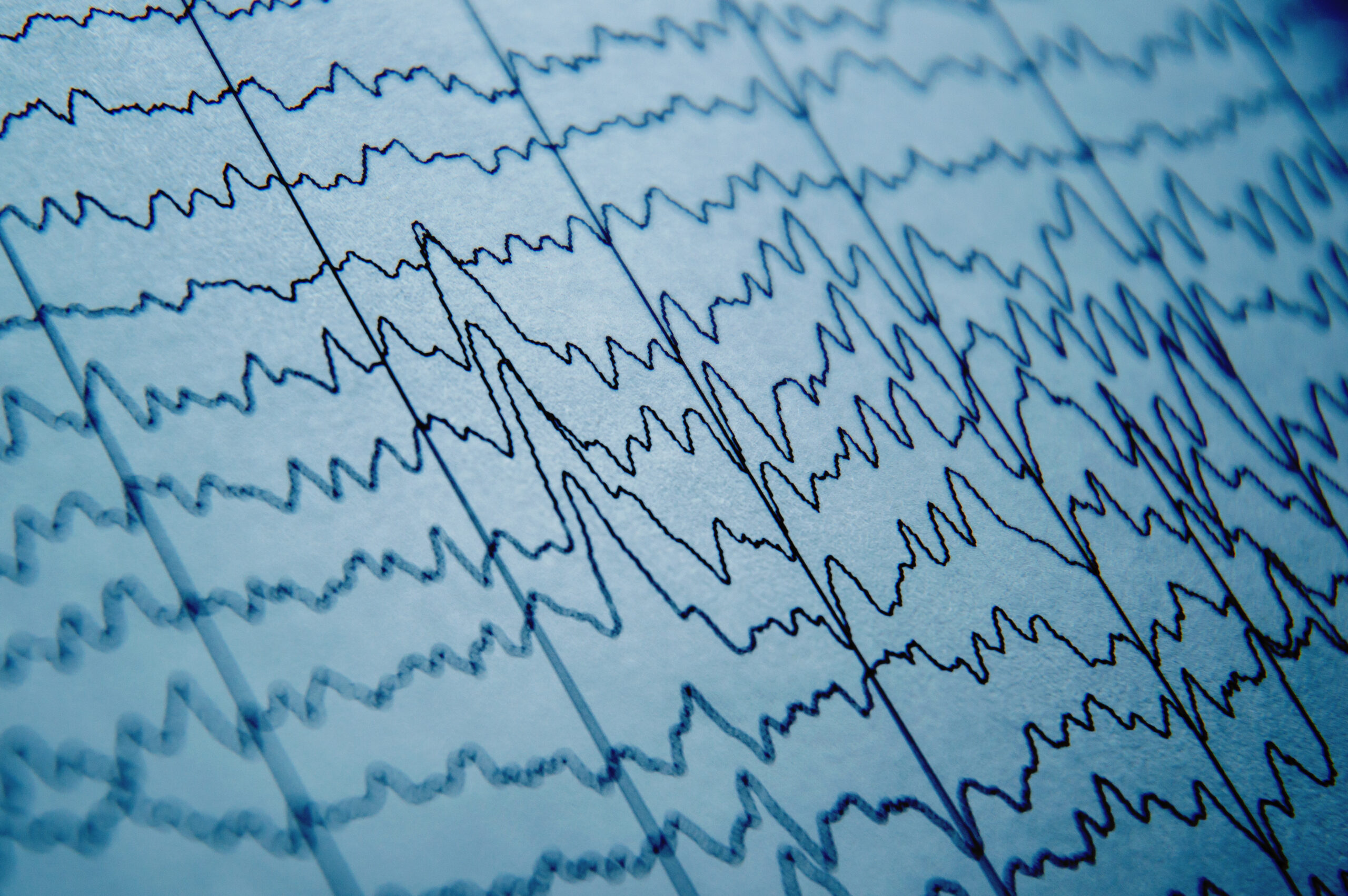
Acquiring an EEG recording is only part of the workflow.
Clinicians also need a practical way to review, store, export, and interpret the information collected.
Ask potential vendors:
- What information is displayed after acquisition?
- Can EEG data be exported?
- Is EDF export available?
- Can reports be generated?
- Can reports be customized?
- Can multiple sessions be reviewed over time?
- How is patient data stored?
Think in Cost Per Session
Instead of evaluating equipment price alone, estimate what it will cost your practice to perform each session.
A higher-volume clinic may spread fixed equipment and software costs across substantially more sessions than a clinic performing only occasional EEG acquisition.
Where WAVi Fits

The WAVi Scan EEG System is designed to acquire, display, and store EEG and ERP data in a streamlined clinical workflow.
The system combines:
- EEG acquisition
- ERP acquisition
- A portable headset
- Guided software workflows
- Cloud-based data management
- Reporting capabilities
- EDF export
- Training and technical support
WAVi uses the international 10–20 electrode placement framework and can be incorporated into outpatient practices without building a traditional EEG laboratory.
Depending on the selected protocol, sessions may also include EEG, auditory P300 ERP acquisition, and other clinical assessments.
The WAVi Scan EEG System is FDA-cleared for the acquisition, display, and storage of EEG and ERP data to aid in diagnosis.
Questions to Ask Before Buying an EEG System
- What is included in the initial purchase?
- What is the typical consumable cost per patient?
- Are there recurring software or cloud fees?
- What training is required?
- Who can operate the system?
- How long does patient setup typically take?
- Can the system acquire both EEG and ERP data?
- Can raw EEG data be exported?
- What reporting options are available?
- What ongoing technical support is included?
The answers usually reveal far more than the equipment price alone.
See What EEG + ERP Acquisition Could Look Like in Your Practice
If your clinic is evaluating EEG equipment, WAVi can walk your team through the equipment, acquisition workflow, staffing requirements, and operating considerations associated with adding EEG + ERP acquisition to your practice.
Request a WAVi Demo