
Integrating EEG/ERP Acquisition Into Concussion Clinics
Concussion care continues to evolve as clinics seek ways to incorporate objective physiological measurements alongside symptom inventories, neurological examinations, balance testing, and other established evaluation methods. As interest grows in electrophysiological technologies, many concussion-focused practices are exploring how EEG (electroencephalography) and ERP (event-related potential) acquisition can fit into existing clinical workflows.
Rather than replacing traditional assessment methods, EEG and ERP recordings can serve as additional sources of information that may support documentation, longitudinal monitoring, and clinical decision-making when interpreted by qualified healthcare professionals.
Why Concussion Clinics Are Exploring EEG and ERP Acquisition
Concussion evaluation often relies on a combination of patient-reported symptoms, clinical examination findings, and functional assessments. While these tools remain important, clinicians may also seek objective physiological measurements that can be acquired consistently across visits.
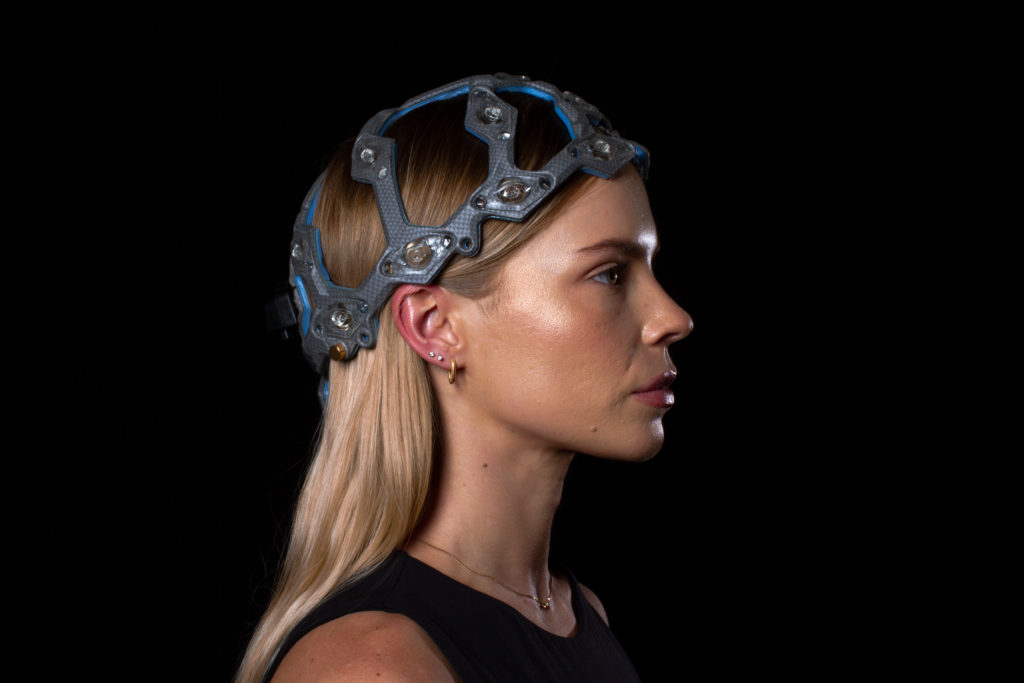
EEG records the electrical activity of the brain through scalp electrodes, while ERPs represent time-locked responses to specific sensory or cognitive stimuli captured within the EEG recording. Researchers have investigated EEG and ERP measurements in concussion populations for decades, demonstrating measurable differences at the group level between concussed and non-concussed individuals in a variety of study settings.
Common Integration Points Within a Concussion Workflow
Many clinics choose to incorporate EEG and ERP acquisition at specific points within the patient journey:

Initial Evaluation
When a patient presents following a suspected head injury, EEG and ERP recordings can be acquired alongside standard clinical assessments. The resulting data become part of the patient’s overall documentation and may provide a baseline for future comparisons.

Follow-Up Visits
One of the practical advantages of electrophysiological acquisition is the ability to repeat measurements over time using consistent protocols. Serial recordings can be stored and reviewed across multiple visits as part of a longitudinal monitoring strategy.

Return-to-Activity Documentation
Some clinics incorporate repeat EEG and ERP acquisition during recovery management to support broader documentation efforts. These recordings may be reviewed alongside symptom reports, physical examinations, and other clinical findings.
Operational Considerations for Clinic Adoption
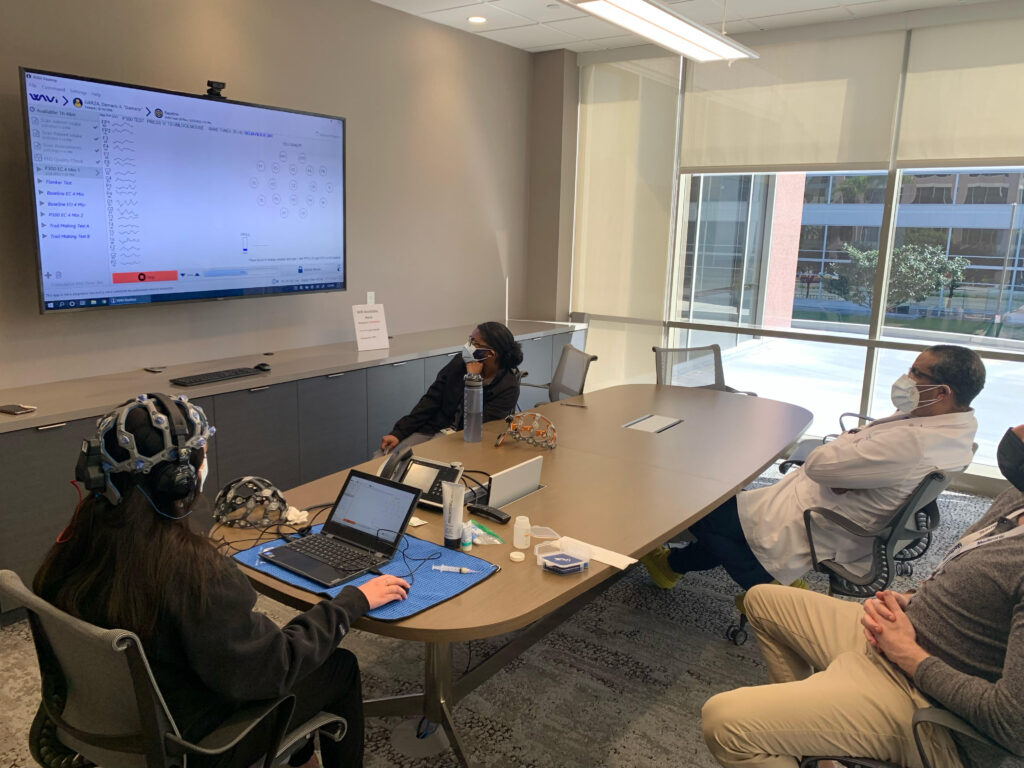
Successful implementation depends not only on the technology itself but also on workflow design.
Key considerations often include:
- Patient preparation time
- Staff training requirements
- Standardized acquisition protocols
- Data storage and record management
- Reporting workflows
- Consistency across providers and locations
Systems designed for streamlined clinical use can often be incorporated without requiring extensive neurology-specific staffing, helping clinics maintain efficient patient throughput while collecting repeatable data.

The Importance of Standardized Acquisition
Consistency is essential when collecting EEG and ERP data. Research has highlighted the need for standardized protocols if electrophysiological measurements are to be used effectively across clinical environments. Factors such as electrode placement, recording quality, stimulus presentation, and patient preparation can all influence data quality.
For this reason, many clinics prioritize structured workflows that guide users through setup, acquisition, and documentation procedures in a repeatable manner.
Bringing Objective Measurements Into Clinical Practice
As concussion clinics continue to seek efficient and scalable assessment workflows, EEG and ERP acquisition technologies are becoming increasingly relevant within outpatient settings. Research continues to investigate the role of these measurements in concussion populations, while advances in hardware and software have made acquisition more accessible in routine clinical environments.
For clinics considering implementation, success often depends on selecting a system that supports efficient acquisition, standardized protocols, repeatability, and seamless integration into existing documentation workflows.
Related Reading
For healthcare professionals only. WAVi is intended for use by qualified healthcare providers as an aid in diagnosis.